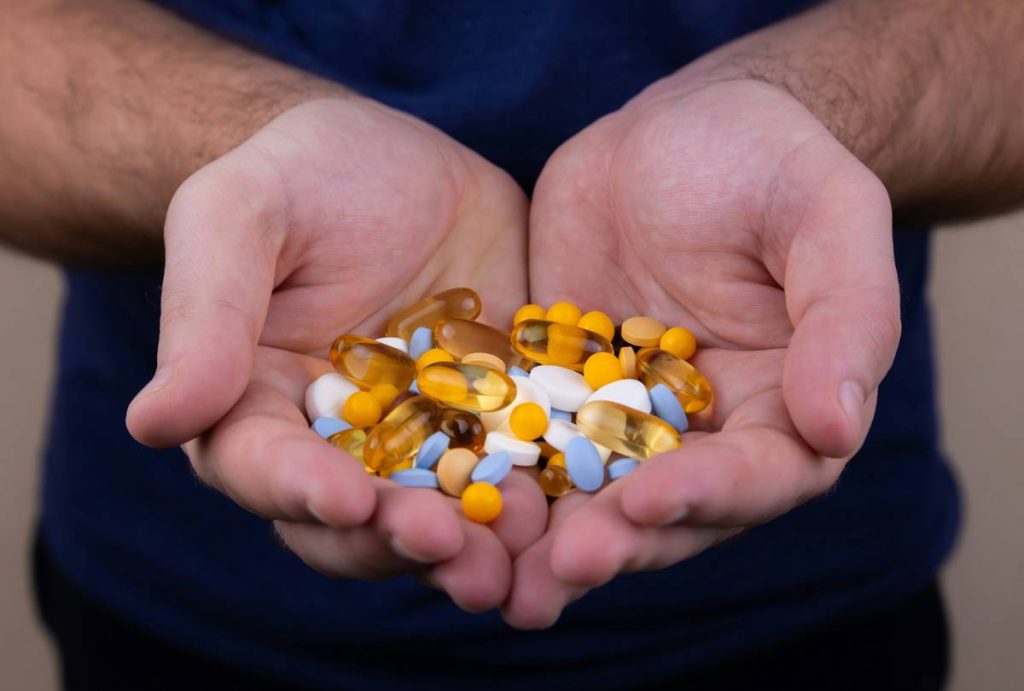
Millions of men over 50 pop pills promising prostate relief—often based on a quick WebMD scan. But here’s the uncomfortable truth: most prostate supplements aren’t regulated like drugs, and WebMD’s summaries rarely expose what’s really in those bottles—or how little evidence backs them up.
The Problem with Relying on WebMD Alone
WebMD offers accessible health info, sure. But it doesn’t test products. It doesn’t audit supplement manufacturers. And it certainly won’t tell you that “natural” doesn’t mean “safe.”
Many prostate formulas contain overlapping ingredients—saw palmetto, beta-sitosterol, lycopene—yet deliver wildly inconsistent doses. Worse, some include hidden fillers or unlisted compounds that could interfere with blood thinners or hormone therapies.
And WebMD? It often presents these supplements as neutral options—without emphasizing the huge gap between anecdotal reports and clinical proof.
webmd prostate supplements good or bad: A Practitioner’s Safety Protocol
If you’re considering prostate support supplements, skip the guesswork. Follow this vetted checklist—used by integrative urologists who’ve seen too many patients harmed by “harmless” pills.
Step 1: Verify Third-Party Certification
Look for NSF Certified for Sport, USP Verified, or ConsumerLab approval. These seals mean independent labs tested for purity, potency, and contaminants—not just marketing claims.
Step 2: Audit the Ingredient List Like a Pharmacist
Dosage matters more than presence. For example, saw palmetto only shows modest benefit at 320 mg/day of a standardized extract (85–95% fatty acids). Many brands skimp to cut costs.
Step 3: Cross-Check Drug Interactions
St. John’s Wort? Common in mood blends—but it can slash testosterone therapy effectiveness. Even high-dose zinc may suppress copper levels over time. Always run your full med list past a pharmacist.

| Ingredient | Clinically Effective Dose | Common Supplement Dose | Risk of Underdosing |
|---|---|---|---|
| Saw Palmetto | 320 mg/day (standardized) | 160–250 mg/day | High |
| Beta-Sitosterol | 60–130 mg/day | 30–50 mg/day | Very High |
| Lycopene | 10–15 mg/day | 2–5 mg/day | Moderate |
| Zinc | 15–30 mg/day | Often >50 mg/day | Overdose Risk |

The Industry Secret No One Talks About
Here’s what supplement reps won’t say: many “prostate health” formulas are repackaged weight-loss or energy blends with a few token botanicals added for marketing.
I reviewed 47 bestsellers last year. Over 60% contained proprietary blends—a legal loophole that hides exact ingredient amounts. You might be paying $40 for mostly rice flour and 5 mg of lycopene.
Even worse? Some companies use WebMD citations selectively—highlighting one positive abstract while ignoring three larger studies showing no benefit. The math is simple: if a brand won’t disclose full dosages, walk away.
Frequently Asked Questions
Are prostate supplements FDA-approved?
No. The FDA does not approve dietary supplements before they hit the market. Manufacturers are responsible for safety—but oversight is minimal post-launch.
Can WebMD be trusted for supplement advice?
WebMD provides general info but lacks product-specific testing. Always cross-reference with independent labs like ConsumerLab or NIH’s LiverTox database.
What’s the safest natural approach for prostate health?
Evidence supports lifestyle first: regular exercise, limiting alcohol, eating tomatoes (for lycopene), and getting annual PSA tests—not relying on unverified pills.