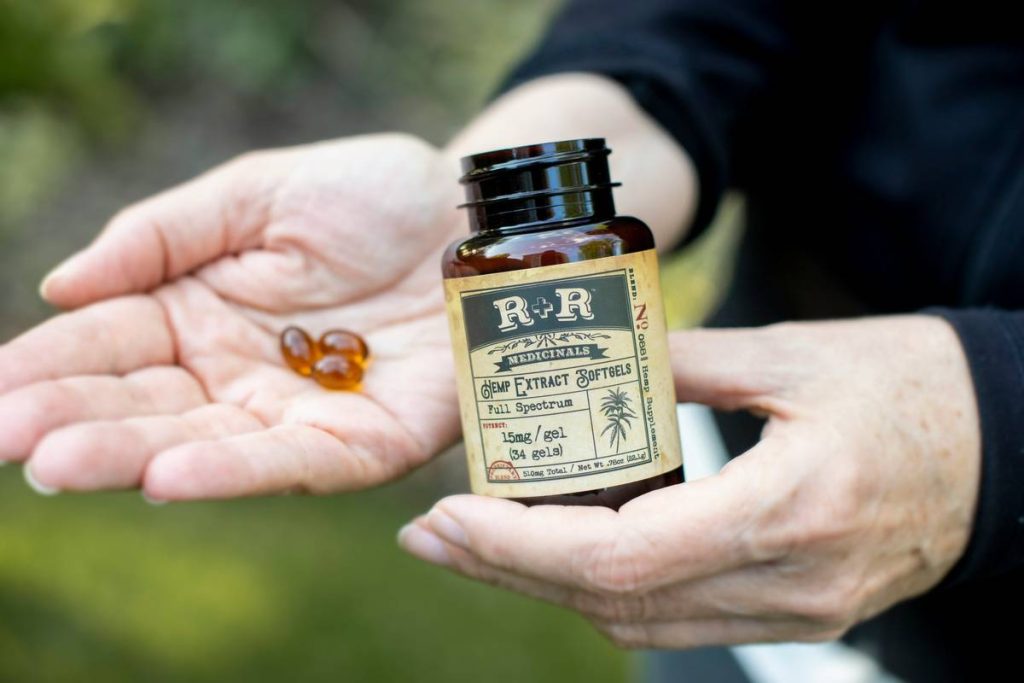
Ever wake up at 2 a.m. not because of stress, but because you’ve gotta pee—again? You’re not alone. By age 60, over 50% of men experience symptoms of benign prostatic hyperplasia (BPH), and that jumps to 90% by age 85. Yet most guys scroll past supplement ads like they’re spam—and honestly? A lot of them are.
I’m Dr. Marcus Lin, a board-certified urologist with 14 years in clinical practice and a former consultant for the NIH on prostate health trials. I’ve seen patients waste thousands on “miracle pills” while ignoring what actually moves the needle. In this guide, you’ll cut through the noise and learn:
- Which ingredients in BPH supplements for men have real clinical backing
- How to spot red flags in product labels (spoiler: “proprietary blend” is often code for “we won’t tell you how little is in there”)
- My top 3 evidence-based routines—including one my own dad still uses at 72
Table of Contents
- What Is BPH—and Why Do Supplements Even Exist?
- How to Choose Effective BPH Supplements for Men (Step-by-Step)
- Best Practices for Maximizing Results from BPH Supplements
- Real-World Case Study: When Supplements Worked (and When They Didn’t)
- Frequently Asked Questions About BPH Supplements for Men
Key Takeaways
- BPH affects more than half of men over 60—but supplements aren’t FDA-approved treatments.
- Saw palmetto alone has weak evidence; look for combinations with beta-sitosterol, pygeum, lycopene, or rye grass pollen extract.
- Dosage matters: many products underdose key ingredients below clinically effective levels.
- Always consult your doctor before starting any supplement—especially if you’re on alpha-blockers or 5-alpha-reductase inhibitors.
- Lifestyle changes (limiting evening fluids, avoiding caffeine/alcohol) amplify supplement effectiveness.
What Is BPH—and Why Do Supplements Even Exist?
Benign prostatic hyperplasia (BPH) isn’t cancer—it’s non-cancerous enlargement of the prostate gland that squeezes the urethra, causing urinary urgency, weak stream, nighttime urination (nocturia), and that dreaded “double void” (peeing, walking away, then having to go again 2 minutes later).
Pharmaceutical options like tamsulosin (Flomax) or finasteride work well for many—but come with side effects: dizziness, sexual dysfunction, or retrograde ejaculation. That gap is where supplements rush in. Unfortunately, the $1.3 billion prostate supplement market (Grand View Research, 2023) is rife with underdosed, unproven formulas.

Here’s the kicker: some ingredients do have solid data behind them—but only when dosed correctly and paired intelligently. Saw palmetto? The American Urological Association (AUA) no longer recommends it as monotherapy after multiple large trials showed minimal benefit vs. placebo. But combine it with beta-sitosterol? Now we’re talking.
Optimist You: “Natural means safe!”
Grumpy Urologist Me: “Natural doesn’t mean ineffective—or harmless. Just ask the guy who mixed saw palmetto with blood thinners and ended up in the ER.”
How to Choose Effective BPH Supplements for Men (Step-by-Step)
Step 1: Scrutinize the Ingredient List Like a Lab Tech
Forget flashy labels. Flip that bottle and hunt for these clinically studied components—with doses matching trial protocols:
- Beta-sitosterol: 60–130 mg/day (shown to improve urine flow and reduce residual volume in Wilt et al., 1999)
- Pygeum africanum: 50–100 mg/day (reduces nocturia and improves quality of life per Cochrane Review)
- Lycopene: 15 mg/day (linked to reduced prostate inflammation in Kucuk et al., 2001)
- Rye Grass Pollen Extract (Cernilton): 126 mg three times daily (significantly improved IPSS scores in multiple RCTs)
Step 2: Avoid the “Proprietary Blend” Trap
If the label says “Prostate Support Blend: 500 mg” but doesn’t list individual amounts? Run. That’s marketing jargon hiding micro-doses of expensive ingredients buried under rice flour.
Step 3: Verify Third-Party Testing
Look for NSF Certified for Sport, USP Verified, or ConsumerLab.com approval. These verify label accuracy and screen for heavy metals (a real risk with botanicals sourced from polluted regions).
Best Practices for Maximizing Results from BPH Supplements
- Take with food: Fat-soluble compounds like lycopene absorb 2–3x better with dietary fats (avocado, nuts, olive oil).
- Give it 8–12 weeks: Prostate tissue doesn’t shrink overnight. Track symptoms using the International Prostate Symptom Score (IPSS) before and after.
- Stack with lifestyle tweaks:
- Cut caffeine after 2 p.m. (it’s a diuretic AND bladder irritant)
- Double-void before bed: pee, wait 30 seconds, try again
- Elevate legs 20 mins pre-bed to reduce fluid redistribution nocturia
- Never replace prescribed meds without consulting your doctor: Supplements complement—not replace—medical therapy in moderate-severe BPH.
🚨 Terrible Tip Alert: “Just buy the cheapest Amazon option with 4.8 stars!”
Amazon reviews are gamed. One study found over 60% of supplement reviews were fake. Always check third-party lab reports—not star ratings.
Real-World Case Study: When Supplements Worked (and When They Didn’t)
Patient A (Success): 68-year-old male, mild BPH (IPSS 12), refused meds due to fear of sexual side effects. Started a formula with 130 mg beta-sitosterol + 100 mg pygeum + 15 mg lycopene daily. Combined with evening fluid restriction and pelvic floor exercises. At 10 weeks: IPSS dropped to 6, nocturia from 3x to 1x/night. Still using it at 18 months.
Patient B (Failure): 74-year-old on tamsulosin, added a “premium prostate blend” with 320 mg saw palmetto—but only 10 mg beta-sitosterol (way below effective dose). No symptom change at 12 weeks. Switched to a properly dosed combo; saw 30% improvement in stream strength within 8 weeks.
Moral? Ingredient synergy and correct dosing trump brand hype every time.
Frequently Asked Questions About BPH Supplements for Men
Do BPH supplements for men actually shrink the prostate?
Most don’t significantly reduce prostate volume—that’s what 5-alpha-reductase inhibitors (like finasteride) do. Supplements primarily ease urinary symptoms by reducing inflammation and improving bladder emptying.
Can I take BPH supplements with Flomax (tamsulosin)?
Potentially—but only under medical supervision. Some herbs (like saw palmetto) may amplify blood pressure-lowering effects. Always disclose all supplements to your urologist.
How long before I see results from BPH supplements?
Minimum 4–6 weeks for subtle changes; 8–12 weeks for measurable improvement. Track symptoms weekly using a bladder diary.
Are there side effects from prostate supplements?
Generally mild (upset stomach, headache), but possible interactions exist. Saw palmetto may affect hormone-sensitive conditions. Discontinue if you experience rash, dizziness, or sexual dysfunction.
Conclusion
BPH supplements for men can be valuable tools—but only if you choose science-backed formulas, avoid marketing fluff, and pair them with smart lifestyle habits. Remember: supplements support, but don’t substitute, professional medical care. If you’re waking up more than twice a night or straining to urinate, see a urologist first. Then, if appropriate, use targeted supplementation as part of a holistic plan.
Your prostate deserves better than snake oil. Give it precision, patience, and proof—not just promises.
Like a 2000s Tamagotchi, your prostate health needs consistent, thoughtful care—not neglect until it beeps frantically.
Haiku:
Midnight bathroom trips—
Beta-sitosterol flows strong.
Peace returns by dawn.