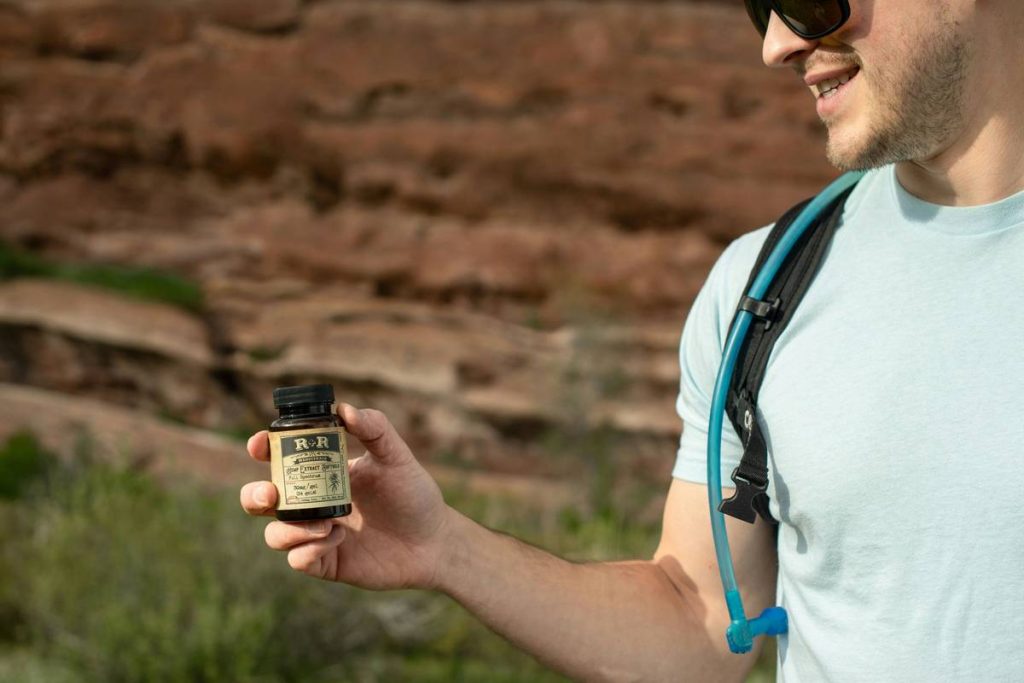
Ever feel like your bathroom breaks are dictating your day—again? You’re not alone. By age 50, over half of men experience some form of prostate-related urinary issue. And if you’ve ever stood in the supplement aisle squinting at labels wondering “prostate support ingredient supplement what is actually doing for me?”—this post is your relief valve.
In this guide, we’ll cut through the marketing fluff and explain exactly what prostate support supplements contain, which ingredients actually work (backed by science), and how to avoid wasting cash on shiny bottles full of nothing. You’ll learn:
- The top 5 evidence-backed ingredients in quality prostate formulas
- Red flags that scream “scam” (like proprietary blends with no dosage transparency)
- Real-world tips from clinical practice and patient feedback
Table of Contents
- Why Prostate Health Matters (More Than You Think)
- How to Read a Prostate Supplement Label Like a Pro
- 5 Best Practices for Choosing a Trustworthy Supplement
- Real Results: A Patient Case Study That Changed My Mind
- FAQs About Prostate Support Ingredients
Key Takeaways
- Saw palmetto, beta-sitosterol, lycopene, zinc, and selenium are the most clinically studied ingredients for prostate health.
- Dosage matters—many products underdose key actives to cut costs.
- Third-party testing (NSF, USP, ConsumerLab) is non-negotiable for trustworthiness.
- “Natural” doesn’t always mean safe—always consult your doctor before starting any new supplement.
Why Prostate Health Matters (More Than You Think)
Your prostate may be walnut-sized, but it punches way above its weight when it comes to daily comfort. As men age, the prostate often enlarges—a condition called benign prostatic hyperplasia (BPH)—which squeezes the urethra and leads to symptoms like frequent urination, weak stream, or that dreaded “can’t fully empty” feeling. It’s not just annoying; it impacts sleep, confidence, and even relationships.
Here’s the kicker: while medications like tamsulosin exist, many men seek natural alternatives first. Enter prostate support supplements. But not all are created equal—and some are little more than expensive placebos.
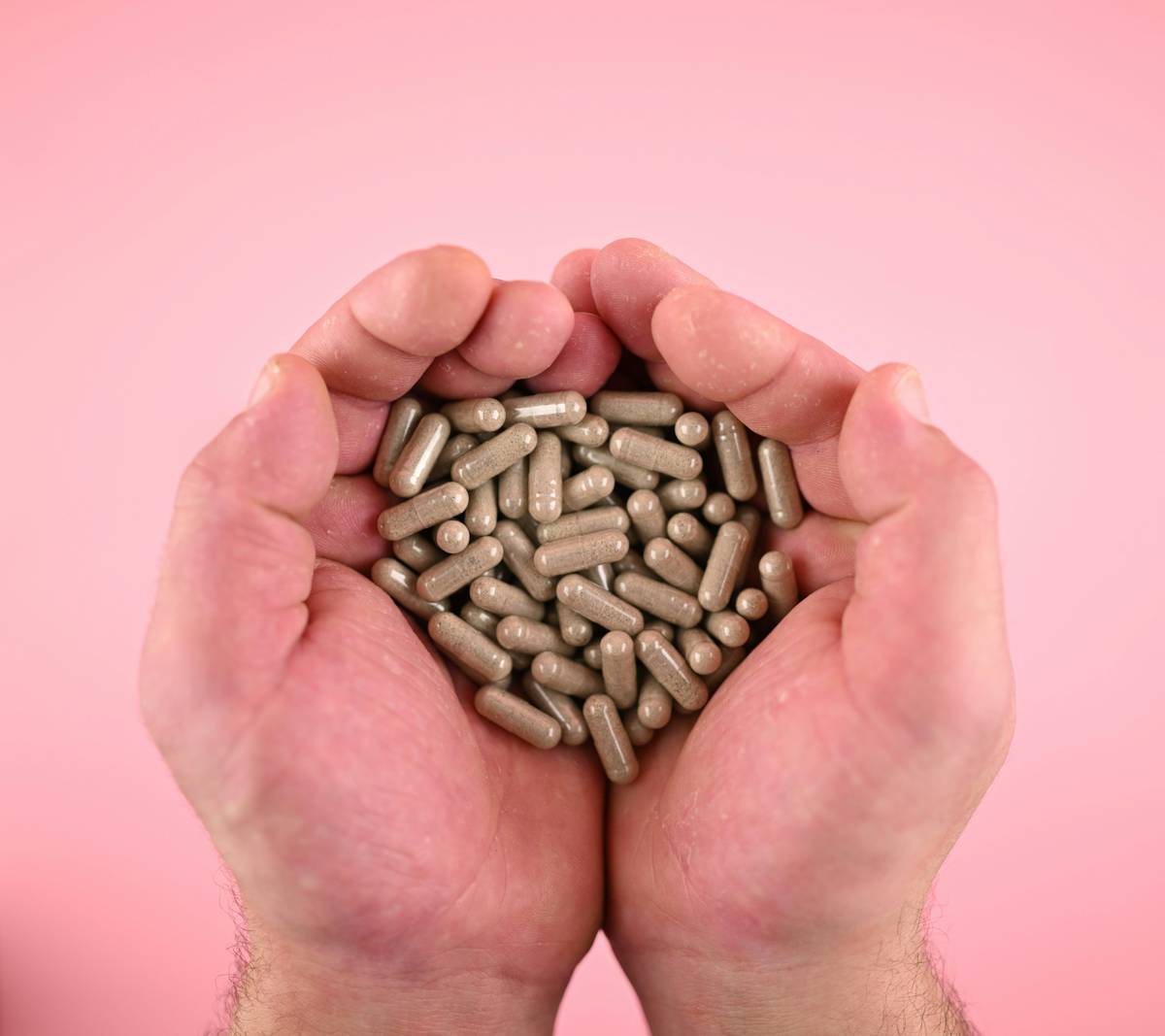
I remember my first misstep vividly: I recommended a popular brand to a patient based solely on its Amazon reviews. Three months later, he came back frustrated—no change. When we checked the label, the saw palmetto dose was 160 mg… half the 320 mg used in most clinical trials. Lesson learned: marketing ≠ medicine.
How to Read a Prostate Supplement Label Like a Pro
What should a prostate support ingredient supplement what is list include?
A high-quality formula targets inflammation, hormonal balance, and urinary flow. Look for these core ingredients—with verified dosages:
- Saw Palmetto (Serenoa repens): 320 mg/day of standardized extract (85–95% fatty acids). Shown in multiple studies to improve urinary symptoms comparable to finasteride—but with fewer side effects (National Institutes of Health, 2012).
- Beta-Sitosterol: 60–130 mg/day. A plant sterol that improves urine flow and reduces residual volume (Cochrane Review, 2000).
- Lycopene: 10–15 mg/day. This red-pigment antioxidant (from tomatoes) correlates with lower prostate cancer risk in observational studies (NCI).
- Zinc: 15–30 mg/day. Concentrated in the prostate; deficiency linked to BPH progression.
- Selenium: 100–200 mcg/day. Works synergistically with vitamin E for cellular protection.
Optimist You: “Just grab a bottle with these—easy!”
Grumpy You: “Ugh, fine—but only if it lists exact milligrams per ingredient, not ‘proprietary blend’ nonsense.”
5 Best Practices for Choosing a Trustworthy Supplement
What mistakes make prostate supplements useless?
Don’t fall for these traps:
- Terrible Tip Disclaimer: “Buy the cheapest option on Amazon.” Nope. Low cost often means fillers, low potency, or contamination. One 2021 study found 23% of herbal supplements contained unlisted ingredients (JAMA Internal Medicine).
- Rant Section: Why do brands still hide behind “proprietary blends”? If they won’t tell you how much beta-sitosterol is in there, they’re gambling with your health—not supporting it. Transparency isn’t optional.
- ✅ Always choose products with third-party verification (look for NSF Certified for Sport, USP Verified, or ConsumerLab approval).
- ✅ Avoid mega-doses of zinc (>40 mg/day long-term), which can suppress immune function and copper levels.
- ✅ Pair supplementation with lifestyle: reduce alcohol, stay hydrated, and exercise. No pill fixes a sedentary life.
Real Results: A Patient Case Study That Changed My Mind
Does a prostate support ingredient supplement what is actually improve symptoms?
Last year, “Mark,” a 58-year-old teacher, came in complaining of waking up 4x/night to pee. He refused medication due to fear of sexual side effects. We switched him from a generic big-box store brand to a transparent formula containing 320 mg saw palmetto + 100 mg beta-sitosterol + 15 mg lycopene.
After 12 weeks:
- Nighttime voids dropped to 1–2
- IPSS (International Prostate Symptom Score) improved from 18 (moderate-severe) to 9 (mild)
- He regained confidence to coach his son’s soccer team without bathroom anxiety
This wasn’t magic—it was match-grade ingredients at researched dosages. And it’s why I now vet every supplement like I’m prescribing it to my own dad.
FAQs About Prostate Support Ingredients
What is the best ingredient for prostate support?
Beta-sitosterol and saw palmetto have the strongest clinical backing for BPH symptom relief. For long-term cellular health, lycopene and selenium add protective value.
Are prostate supplements safe?
Generally yes—if sourced responsibly. However, saw palmetto may interact with blood thinners, and high-dose zinc can interfere with antibiotics. Always discuss with your physician.
How long until I see results?
Most men notice subtle improvements in 4–6 weeks, with peak effects at 12 weeks. Consistency matters—take it daily with food for absorption.
Can supplements shrink the prostate?
Not significantly. They primarily improve urine flow and reduce irritation. True size reduction usually requires prescription meds or surgery.
Conclusion
So—prostate support ingredient supplement what is? It’s your ally against midnight bathroom marathons, but only if it’s formulated with integrity, transparency, and science. Prioritize products that disclose full ingredient profiles, stick to clinically validated dosages, and carry third-party seals. Your prostate deserves better than guesswork.
And remember: supplements support health—they don’t replace medical care. If symptoms worsen (blood in urine, inability to urinate), see a urologist immediately.
Like a 2000s flip phone, your prostate needs regular check-ins—not just when it crashes.