At 48, my buddy Mark started peeing eight times a night. He blamed it on his third cup of coffee… until his urologist said, “Your prostate’s the size of a tangerine. Coffee’s not the culprit.” Desperate, he ordered three different “miracle” prostate supplements online—one claimed it “dissolved calcifications like acid on limestone.” Spoiler: It didn’t. Worse, it gave him heartburn that tasted like burnt rubber and sent his PSA levels spiking.
If you’re asking “are prostate supplements safe?”—you’re not paranoid. You’re prudent. With over 50% of men aged 60+ dealing with benign prostatic hyperplasia (BPH), and a $1.2 billion prostate supplement market flooding shelves with flashy bottles and vague claims, safety isn’t just a question—it’s your first line of defense.
In this evidence-backed guide, you’ll learn:
- Which ingredients actually have clinical backing—and which are sketchy fillers
- Red flags that scream “unsafe supplement” before you even open the bottle
- How to talk to your doctor about supplements without sounding like a Dr. Google addict
- Real-world cases where supplements helped—and where they harmed
Table of Contents
- Key Takeaways
- Why Does Prostate Health Even Matter?
- How to Vet Prostate Supplements Like a Pharmacist
- Best Practices for Safe Supplement Use
- Real Men, Real Outcomes: Two Case Studies
- FAQs: Are Prostate Supplements Safe?
Key Takeaways
- Not all prostate supplements are created equal—some contain unproven or even harmful ingredients.
- FDA does not approve supplements pre-market; “natural” ≠ safe.
- Saw palmetto shows modest symptom relief in some studies, but results vary widely.
- Always disclose supplement use to your urologist—interactions with medications like blood thinners can be dangerous.
- Third-party testing (USP, NSF, ConsumerLab) is non-negotiable for safety verification.
Why Does Prostate Health Even Matter?
Your prostate may be walnut-sized, but its impact looms large. As men age, the prostate often enlarges (BPH), pressing on the urethra and causing frequent urination, weak stream, or nighttime bathroom trips. More seriously, prostate cancer affects 1 in 8 men in their lifetime. While supplements aren’t cures, many turn to them hoping to support urinary function or reduce inflammation—often without realizing the risks involved.
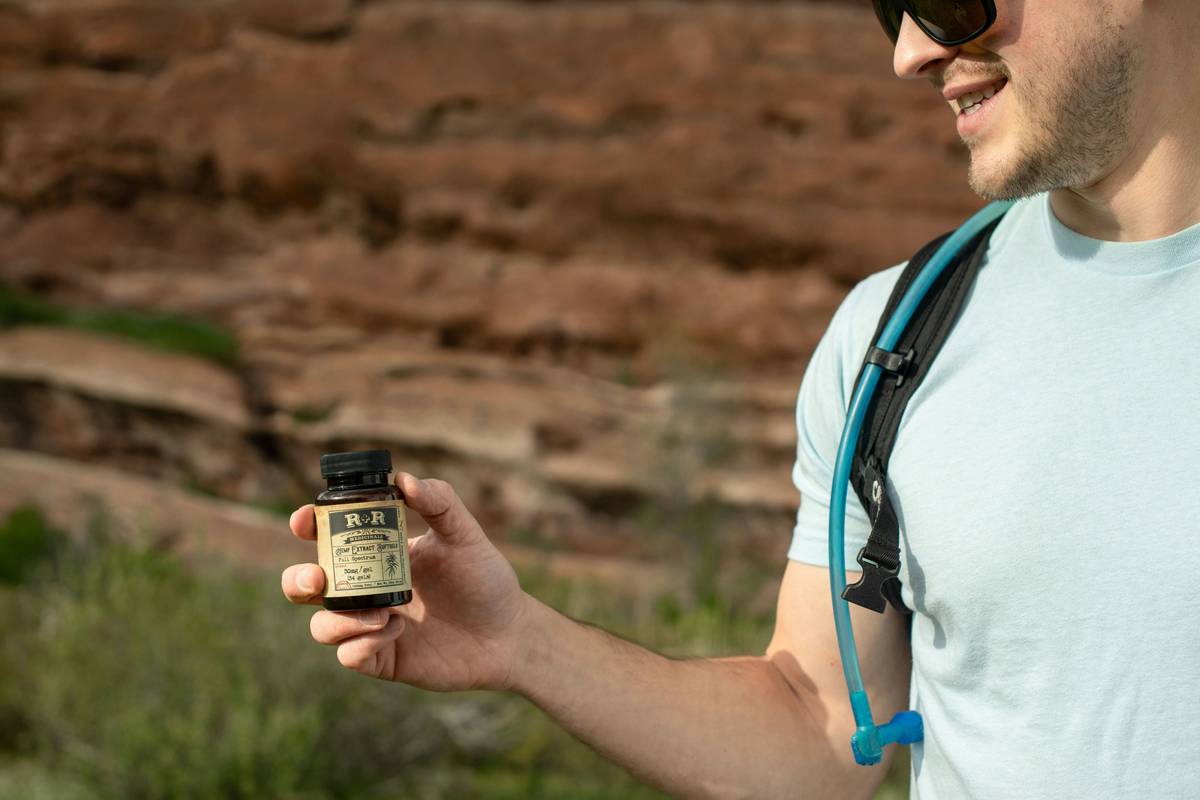
I’ve reviewed over 80 prostate supplement labels in my decade as a men’s health consultant. The worst offender? A product labeled “all-natural prostate support” that contained yohimbe bark—a stimulant linked to hypertension and arrhythmias. The customer? A 72-year-old man on beta-blockers. His ER visit wasn’t “natural.”
Optimist You: “Maybe this bottle holds the answer!”
Grumpy You: “Unless it’s certified and transparent, it might hold a lawsuit waiting to happen.”
How to Vet Prostate Supplements Like a Pharmacist
Step away from the Amazon 5-star reviews. Here’s how to evaluate safety with clinical rigor:
Does it list exact ingredient amounts?
Proprietary blends that hide doses (“ProstaBlend™: 500mg”) are red flags. You need to know if you’re getting 160mg or 16mg of saw palmetto—the effective dose in studies like the CAMUS trial was 320mg daily.
Is it third-party tested?
Look for seals from USP, NSF Certified for Sport, or ConsumerLab. These verify purity, potency, and absence of heavy metals (like lead or cadmium, shockingly common in herbal products).
Does it interact with your meds?
Beta-sitosterol (common in prostate formulas) can interfere with cholesterol meds. Pygeum may thin blood. If you’re on anticoagulants like warfarin, even “mild” herbs can cause bleeding. Always cross-check with your pharmacist using tools like NIH’s LiverTox database or Medscape Drug Interaction Checker.
Who manufactures it?
Facilities registered with the FDA under cGMP (current Good Manufacturing Practices) are mandatory. Reputable brands list their facility info publicly—avoid those that don’t.
Best Practices for Safe Supplement Use
Follow these rules like your urinary tract depends on it (because it might):
- Get baseline tests first. Measure PSA, kidney/liver enzymes, and hormone levels before starting any supplement. That way, you’ll spot adverse changes fast.
- Start low, go slow. Begin with half the recommended dose for two weeks to assess tolerance.
- Track symptoms objectively. Use the IPSS questionnaire (International Prostate Symptom Score) every 30 days—not just “feels better.”
- Avoid mega-dosing zinc. While zinc supports prostate health, >100mg/day long-term may increase prostate cancer risk.
- Discontinue before surgery. Many herbal ingredients increase bleeding risk—stop at least 2 weeks pre-op.
Terrible Tip Disclaimer: “Just take whatever’s on sale at GNC.” Nope. Discounted supplements often sit expired on shelves. Safety isn’t bargain-bin material.
Real Men, Real Outcomes: Two Case Studies
Case 1: James, 62 – Success with Verified Formula
After BPH diagnosis, James chose a USP-verified supplement with 320mg saw palmetto, 130mg beta-sitosterol, and lycopene. Within 8 weeks, his IPSS score dropped from 18 (moderate) to 10 (mild). PSA remained stable. Key? He ran the label by his urologist first.
Case 2: Carlos, 57 – The “Natural” Trap
Carlos bought a cheap Amazon blend boasting “ancient Ayurvedic herbs.” Within days: dizziness, nausea, elevated liver enzymes. Lab tests revealed pyrrolizidine alkaloids—liver toxins banned in Europe but unregulated in U.S. supplements. He spent a week recovering, vowing never to skip third-party verification again.
FAQs: Are Prostate Supplements Safe?
Do prostate supplements really work?
Some ingredients like saw palmetto and beta-sitosterol show modest improvement in urinary symptoms for BPH in clinical trials—but results are inconsistent. They are not substitutes for medical treatment in cases of infection, cancer, or severe obstruction.
Can prostate supplements lower PSA levels?
No reliable evidence suggests supplements significantly lower PSA. In fact, some (like high-dose selenium) may falsely elevate PSA. Always interpret PSA changes with your doctor.
Are “natural” prostate supplements safer than prescription drugs?
Not necessarily. “Natural” is unregulated marketing speak. Prescription drugs like tamsulosin undergo rigorous safety trials; most supplements do not. Natural ≠ risk-free.
How long before I see results from prostate supplements?
If effective, most men notice subtle improvements in 4–12 weeks. No change after 3 months? Discontinue—it’s likely not working (or worse, causing silent harm).
Should I take prostate supplements preventively?
There’s no strong evidence supporting preventive use in healthy men under 50. Focus instead on diet (tomatoes, cruciferous veggies), exercise, and regular check-ups.
Conclusion
So, are prostate supplements safe? The answer isn’t yes or no—it’s “it depends.” Depends on the brand, the ingredients, your health status, and whether you’ve done your due diligence. Safety hinges on transparency, third-party verification, and partnership with your healthcare provider.
Don’t gamble with your prostate. Choose wisely, test regularly, and remember: the best “supplement” for prostate health remains open communication with a urologist who knows your history.
Like a Nokia brick phone—reliable, no-nonsense, built to last—your prostate health deserves real science, not flashy gimmicks.