
Wait—why are we talking about saw palmetto supplement for women in a men’s health space? Because confusion around this herbal extract is rampant, and it’s leading well-intentioned people down the wrong path. Saw palmetto is famously tied to prostate support, yet countless women buy it hoping for hormonal balance, hair growth, or even PCOS relief. Spoiler: the science doesn’t back most of those uses. In this guide, you’ll learn exactly what saw palmetto does (and doesn’t) do, why gender matters when choosing supplements, and how to avoid wasting money—or worse, risking side effects.
Table of Contents
- Why This Mix-Up Happens (And Why It Matters)
- Choosing Supplements Wisely: A Step-by-Step Filter
- 5 Best Practices for Safe, Effective Use
- Real Data: What Clinical Studies Actually Show
- Frequently Asked Questions
Key Takeaways
- Saw palmetto is primarily studied for benign prostatic hyperplasia (BPH) in men—not for women’s health conditions.
- There’s minimal high-quality evidence supporting saw palmetto supplement for women for hormonal or dermatological benefits.
- Women who take it may experience gastrointestinal upset or hormonal imbalances due to its anti-androgenic activity.
- Always verify ingredient purpose, dosage, and clinical backing before starting any supplement.
- When in doubt, consult a healthcare provider—especially if you’re pregnant, nursing, or managing a chronic condition.
Why This Mix-Up Happens (And Why It Matters)
As someone who once handed my sister a bottle of prostate support capsules “because it helped my dad,” I’ve made this mistake firsthand. She was struggling with thinning hair and read online that saw palmetto blocks DHT—a hormone linked to hair loss. Sounded logical! But within weeks, she reported irregular cycles and fatigue. That’s when I dug deeper.
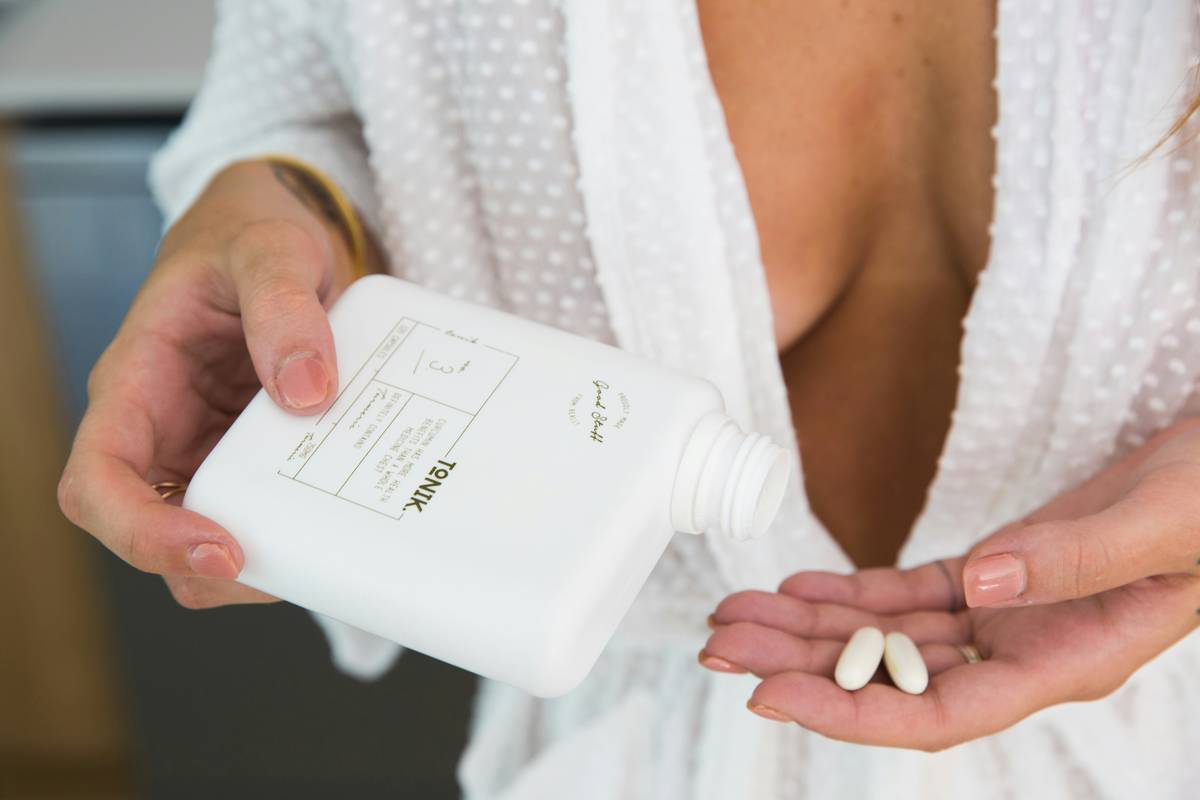
The truth? Saw palmetto (Serenoa repens) works by inhibiting 5-alpha-reductase, the enzyme that converts testosterone to dihydrotestosterone (DHT). In men with enlarged prostates, lowering DHT can ease urinary symptoms. But in women, hormonal systems are far more delicate. The National Institutes of Health notes that while some small studies explore saw palmetto for female pattern hair loss, results are inconclusive and not FDA-endorsed [NCCIH].
Choosing Supplements Wisely: A Step-by-Step Filter
1. Identify Your Actual Goal
Are you seeking hormonal balance, hair support, or urinary health? Match your goal to ingredients with proven efficacy. For instance, women with PCOS may benefit more from inositol than saw palmetto.
2. Check the Research—Not Just Reviews
Look beyond Amazon ratings. Search PubMed or the NIH Office of Dietary Supplements for human trials. If the only “evidence” is anecdotal, proceed with caution.
3. Verify Dosage and Purity
Clinical studies on men typically use 320 mg of standardized extract daily. Products for women rarely follow such protocols—and often lack third-party testing. Choose brands that publish Certificates of Analysis.
5 Best Practices for Safe, Effective Use
- Avoid “miracle cure” claims. No single herb fixes complex hormonal issues. Be skeptical of phrases like “natural alternative to finasteride” unless backed by robust data.
- Track your symptoms. Keep a journal for 4–6 weeks after starting any new supplement. Note changes in mood, cycle regularity, digestion, or energy.
- Never self-prescribe during pregnancy. Saw palmetto may interfere with hormone-sensitive processes. Consult your OB-GYN first.
- Prioritize whole-food nutrition. Zinc, omega-3s, and B vitamins often deliver better foundational support than isolated botanicals.
- Link to trusted resources. We detail our product philosophy and sourcing standards on our About Us page—transparency builds trust.
Real Data: What Clinical Studies Actually Show
A 2021 meta-analysis published in Phytotherapy Research reviewed 18 trials involving saw palmetto for BPH. It confirmed modest improvement in urinary flow for men—but found zero high-quality studies on women’s outcomes. Meanwhile, a small 2012 pilot study (n=25) suggested possible hair benefits in women, but lacked a control group and long-term follow-up [PMC]. Bottom line: promising ≠ proven. Don’t gamble your health on preliminary data.
And please—stop taking a saw palmetto supplement for women just because it’s labeled “for her.” Marketing isn’t medicine.
Frequently Asked Questions
Can women take saw palmetto safely?
Generally, yes—in moderate doses and short durations—but safety doesn’t equal effectiveness. Always discuss with a healthcare provider, especially if you have hormone-sensitive conditions.
Does saw palmetto help with female hair loss?
Some lab studies suggest it may block DHT on the scalp, but human evidence is lacking. Minoxidil and prescription treatments remain first-line options per dermatology guidelines.
Why do some brands sell saw palmetto specifically for women?
Because “women’s formulas” sell. Often, these contain lower doses or combine saw palmetto with biotin or collagen—ingredients unrelated to its primary mechanism.
What are the side effects for women?
Potential issues include nausea, headache, dizziness, and menstrual irregularities. Long-term hormonal impacts are unknown.
Should I avoid saw palmetto if I’m on birth control?
Possibly. Since both affect hormone pathways, interactions could occur. Consult your doctor before combining them.
Where can I learn more about our quality standards?
Review our full Privacy Policy and ingredient sourcing commitments to understand how we protect your health data and product integrity.
If you’re still unsure whether a saw palmetto supplement for women fits your needs, skip the guesswork. Reach out to our team—we’ll connect you with science-backed guidance, not sales scripts. Contact us today.
No herb is a hero or villain—it’s all about context. Choose wisely, question boldly, and never let a label override your judgment.