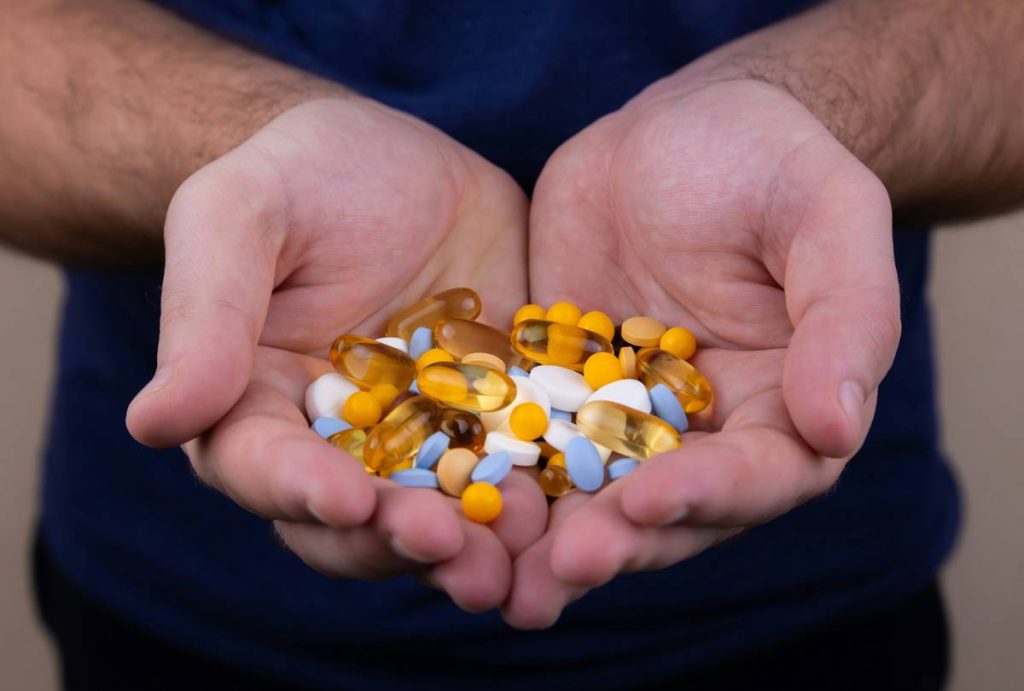
Men over 50 wake up to frequent bathroom trips, weak flow, or that nagging pressure below the belt. It’s frustrating—and scary. Marketing claims flood your inbox: “Support prostate health naturally!” But here’s the gut punch: most supplements do little more than drain your wallet. So—do supplements for prostate health work? Sometimes. But not how you think.
The Broken Promise of Quick Fixes
The supplement aisle is a minefield of hope wrapped in misleading labels. Saw palmetto? Pygeum? Beta-sitosterol? They sound scientific—but many products contain sub-therapeutic doses. Worse, the FDA doesn’t verify efficacy before shelves fill. You’re trusting an industry where profit often trumps proof.
And clinical trials? Often funded by the very companies selling the pills. Bias isn’t just possible—it’s baked in.
Do Supplements for Prostate Health Work? A Realistic Roadmap
If you’re serious about results, skip the miracle-cure mindset. Focus on what actually moves the needle: ingredient transparency, clinical backing, and synergy with lifestyle habits. Not all supplements are scams—but most require precision, not prayer.
Key Ingredients Backed by Credible Research
Lycopene from tomatoes? Strong evidence for cellular protection. Zinc? Essential—but excess harms more than helps. Then there’s selenium, quercetin, and green tea extract (EGCG)—each with nuanced roles in inflammation modulation and oxidative defense.
Dosage Matters More Than You Think
A 2022 meta-analysis showed saw palmetto only improved urinary symptoms at 320 mg daily—yet half the market sells 160 mg capsules. You’d need two just to hit the effective threshold. And few labels clarify that.
The Lifestyle Multiplier Effect
No pill fixes poor sleep, chronic stress, or sitting 10 hours a day. Exercise boosts pelvic blood flow. Hydration timing reduces nighttime urgency. Supplements amplify a solid foundation—they don’t build it.
| Approach | Typical Cost/Month | Evidence Strength | Time to Noticeable Effect |
|---|---|---|---|
| Generic Over-the-Counter Prostate Pills | $15–$30 | Weak / Inconsistent | 3–6 months (if at all) |
| Clinically Dosed, Third-Party Tested Formulas | $40–$70 | Moderate to Strong | 6–12 weeks |
| Lifestyle Optimization Only (Diet, Exercise, Sleep) | $0–$20 (grocery shift) | Very Strong | 4–8 weeks |
| Combined Protocol (Lifestyle + Targeted Supplementation) | $50–$80 | Strongest Outcomes in Studies | 4–10 weeks |

The Industry Secret: Bioavailability Is the Silent Killer
Here’s what no label admits: your body might not absorb half the ingredients. Saw palmetto is fat-soluble—take it without healthy fats, and it exits unused. Quercetin? Poorly absorbed alone. That’s why advanced formulas use phytosomes or lipid carriers. Yet 90% of mass-market brands skip this. They check “contains” boxes—not “actually works” ones. Demand delivery science, not just ingredient lists.
Frequently Asked Questions
Are prostate supplements FDA approved?
No. The FDA regulates them as dietary supplements—not drugs—so pre-market efficacy approval isn’t required. Manufacturers self-certify safety.
How long until I see results from prostate supplements?
Realistically, 6–12 weeks with a properly dosed formula. If a brand promises relief in days, run.
Can supplements replace prescription medications like Flomax?
Not reliably. While some men reduce medication reliance over time with combined natural protocols, never discontinue prescriptions without medical supervision.