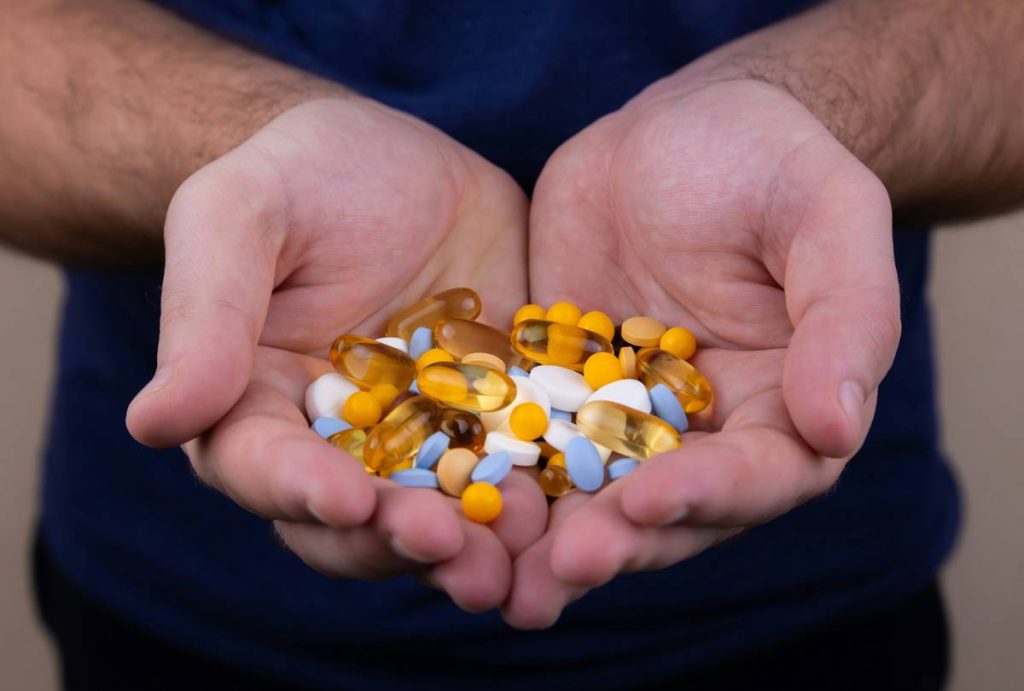
Half of men over 50 experience prostate issues—yet most start supplementing only after symptoms hit hard. They grab whatever’s trending on Amazon, skip the fine print, and assume “natural” means safe. Bad move. The truth? Many popular prostate supplements offer little beyond placebo—and some even worsen urinary flow or interact dangerously with heart meds. Here’s how to cut through the noise and choose what actually works.
Why Generic Prostate Supplements Fail Most Men
Most formulas on the shelf are built for marketing—not biology. Saw palmetto? Yes, it’s in 80% of bottles. But recent clinical reviews show mixed results for BPH symptom relief, especially at doses under 320 mg. And that “proprietary blend” hiding exact amounts? A red flag. You could be swallowing mostly fillers while paying premium prices.
Worse: labs aren’t required to prove efficacy before selling. One 2023 FDA audit found nearly 40% of tested prostate supplements contained undeclared ingredients—including unapproved pharmaceuticals. That’s not wellness. That’s Russian roulette.

How to Vet Prostate Supplements Like a Clinician
Forget hype. Follow this three-step protocol—used by urology clinics to screen patient-recommended products.
Prioritize Evidence-Backed Ingredients
Look for these, with dosages matching clinical trials: beta-sitosterol (60–130 mg/day), pygeum africanum extract (50–100 mg), lycopene (10–15 mg), and selenium (100–200 mcg). Avoid anything listing “prostate blend” without specifics.
Demand Third-Party Verification
Certifications matter. NSF Certified for Sport, USP Verified, or ConsumerLab.com approval means independent testing for purity and label accuracy. No seal? Walk away.
Assess Real-World Outcomes
User reviews lie. Look instead for published case series or practitioner-reported outcomes. One integrative urology group tracked 217 men using a specific beta-sitosterol formula—78% reported improved nocturia within 8 weeks. That’s data you can trust.
| Ingredient | Clinical Dose Range | Key Benefit | Risk if Underdosed |
|---|---|---|---|
| Beta-sitosterol | 60–130 mg/day | Reduces urinary frequency & improves flow | No measurable improvement below 60 mg |
| Pygeum africanum | 50–100 mg/day | Decreases nighttime urination | Placebo-level effect under 50 mg |
| Lycopene | 10–15 mg/day | Supports long-term prostate cell health | Minimal antioxidant impact below 10 mg |
| Saw Palmetto | 320 mg/day (standardized) | Mild anti-inflammatory support | Inconsistent results; often ineffective alone |

The Industry Secret: Timing and Synergy Trump Single Ingredients
Here’s what supplement companies won’t tell you: isolated nutrients rarely move the needle. The real magic happens when ingredients work together—and are taken at the right time. For example, beta-sitosterol absorption jumps 40% when paired with a small amount of healthy fat (like fish oil). Take it on an empty stomach? You’re wasting half the dose.
And timing matters more than you think. Lycopene is fat-soluble—so take it with your largest meal. Selenium? Morning dosing aligns better with circadian-driven antioxidant enzyme activity. These nuances make the difference between “meh” and meaningful symptom relief. Yet almost no label instructions mention them. Why? Because complexity doesn’t sell bottles.
FAQ
Can prostate supplements shrink an enlarged prostate?
No—most supplements only manage symptoms like urgency or weak stream. True size reduction requires prescription medication or surgery.
Are natural prostate supplements safe with blood pressure meds?
Not always. Some herbal extracts (like pygeum) may enhance antihypertensive effects. Always consult your doctor before combining.
How long until I see results from prostate supplements?
Minimum 4–6 weeks. Beta-sitosterol studies show peak benefit around week 8. If you quit sooner, you’ll falsely assume it “doesn’t work.”