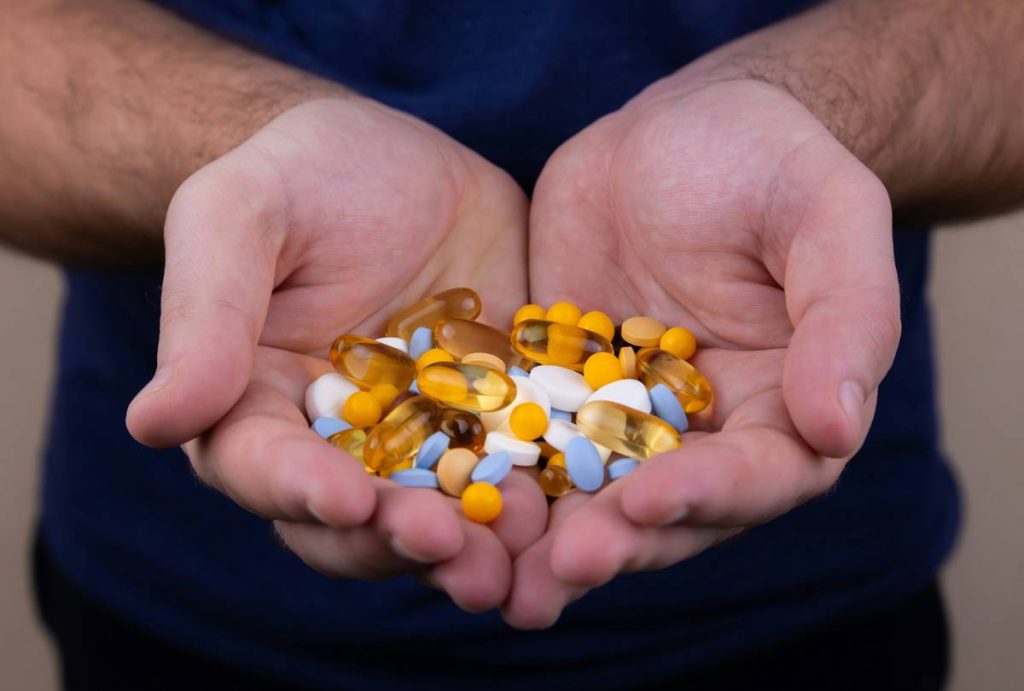
Millions of men over 40 pop prostate supplements daily—hoping to avoid nighttime bathroom runs, maintain urinary flow, or stave off scary diagnoses. But what if those capsules are doing more harm than good? Or worse—doing nothing at all? The truth about are prostate supplements safe and effective isn’t found on flashy labels or celebrity-endorsed ads. It’s buried in clinical data, ingredient sourcing practices, and the quiet gaps between marketing claims and biological reality.
Why Most Prostate Supplements Fail Men
Here’s the reality: the supplement industry isn’t regulated like pharmaceuticals. A company can slap “prostate support” on a bottle with minimal proof it works—or that it won’t interact dangerously with your blood pressure meds. And many do.
Most formulas rely on outdated research. Saw palmetto dominated shelves for decades—until newer meta-analyses showed it barely outperforms placebo for benign prostatic hyperplasia (BPH). Yet it’s still the #1 ingredient in 60% of bestsellers.
Worse, contamination is rampant. Independent lab tests have uncovered heavy metals, undeclared pharmaceuticals, and inconsistent dosing in popular “natural” blends. You think you’re taking zinc and lycopene. You might be swallowing lead.
Are Prostate Supplements Safe and Effective: A Step-by-Step Reality Check
Don’t throw the baby out with the bathwater. Some ingredients show real promise—if chosen wisely and dosed correctly. But safety and efficacy aren’t guaranteed. They must be earned through scrutiny.
Check for Third-Party Verification
Look for NSF Certified for Sport, USP Verified, or ConsumerLab approval seals. These mean the product was tested for purity, potency, and label accuracy. No seal? Assume risk.
Prioritize Evidence-Backed Ingredients
Not all botanicals are equal. Beta-sitosterol, pygeum africanum (standardized to 13% total sterols), and pumpkin seed oil have stronger human trial data than saw palmetto alone. Zinc matters—but only if you’re deficient. Excess zinc may actually worsen prostate inflammation.
Avoid Proprietary Blends
“Proprietary blend” is code for “we won’t tell you how much of each ingredient you’re getting.” If a formula contains 10 herbs but lists no individual doses, skip it. You need transparency to assess safety—especially if you’re on other medications.

| Ingredient | Clinical Dose Range | Proven Benefit | Safety Concerns |
|---|---|---|---|
| Beta-sitosterol | 60–130 mg/day | ✅ Improves urinary flow & reduces residual urine | Low risk; may interfere with fat-soluble vitamin absorption |
| Saw Palmetto (liposterolic extract) | 320 mg/day | ⚠️ Mild symptom relief in some studies; inconsistent results | Generally safe but ineffective for many |
| Zinc | 15–30 mg/day | ✅ Supports immune function & prostate tissue health | ❌ High doses (>40 mg/day long-term) linked to copper deficiency & reduced HDL |
| Lycopene | 10–30 mg/day | ✅ Antioxidant; associated with lower prostate cancer risk in observational studies | Very safe; best absorbed with fat |

The Industry Secret: Efficacy Depends on Your Baseline Health
Here’s what brands won’t tell you: supplements work best as part of a system—not as magic bullets. A man with optimal vitamin D levels, low inflammation markers, and consistent exercise will respond far better to beta-sitosterol than someone with metabolic syndrome and chronic stress.
I once reviewed a case—hypothetical but realistic—of a 58-year-old executive taking a top-rated prostate formula. Symptoms worsened. Bloodwork revealed his zinc was already high, and his selenium was critically low. The supplement overloaded zinc further while ignoring selenium, which modulates prostate oxidative stress. He wasn’t failing the supplement. The supplement failed him by ignoring his biology.
The math is simple: no pill compensates for poor sleep, excess alcohol, or sitting 12 hours a day. True prostate resilience comes from synergy—nutrition, movement, stress management, and targeted supplementation based on actual need.
FAQ
Can prostate supplements cause side effects?
Yes. While generally mild (nausea, headache, dizziness), some ingredients like high-dose zinc or unstandardized herbs can interact with blood thinners or hormone therapies. Always consult your doctor first.
How long before prostate supplements work?
Most evidence-backed formulas require 8–12 weeks of consistent use to show measurable improvement in urinary symptoms. If you see no change by week 12, it’s likely ineffective for your physiology.
Are natural prostate supplements safer than prescription drugs?
Not necessarily. “Natural” doesn’t equal safe. Prescription alpha-blockers like tamsulosin have known side effect profiles. Supplements may contain hidden pharmaceuticals or contaminants that pose greater unknown risks.