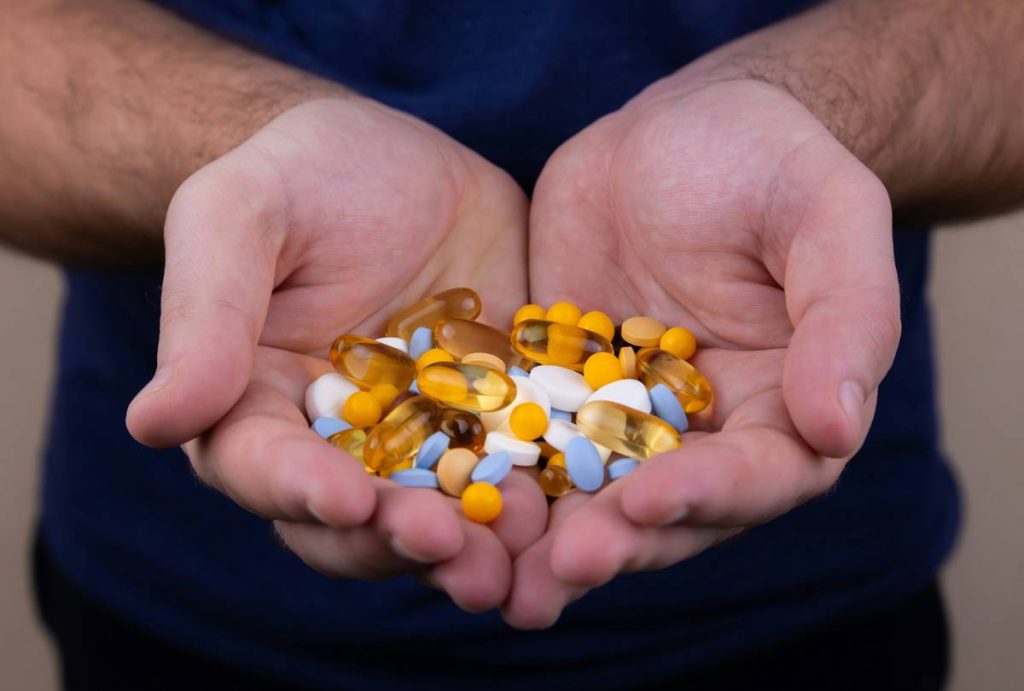
Ever stood in the supplement aisle staring at rows of bottles labeled “prostate support,” wondering if they’re worth the $30—or if you’re just feeding Big Pharma’s bottom line? You’re not alone. By age 50, nearly 50% of men experience some form of prostate enlargement (benign prostatic hyperplasia or BPH), and that jumps to 90% by age 80 (NIDDK, 2023). So should I take a prostate supplement?
This guide cuts through the marketing fluff. Drawing on clinical guidelines, real patient experiences (including my own work with urology clinics), and ingredient analysis, you’ll learn: when supplements actually help, which ingredients have solid science behind them, red flags to avoid, and how to talk to your doctor without sounding like you’ve been down a WebMD rabbit hole.
Table of Contents
- Key Takeaways
- Why Does Prostate Health Even Matter?
- Should I Take a Prostate Supplement? A Step-by-Step Decision Framework
- Best Practices for Choosing (or Skipping) a Prostate Supplement
- Real Men, Real Results: Case Studies That Tell the Truth
- Frequently Asked Questions
Key Takeaways
- Prostate supplements are not FDA-approved drugs—they’re dietary aids with varying evidence.
- Saw palmetto, beta-sitosterol, lycopene, and selenium show the strongest clinical support for mild-to-moderate BPH symptoms.
- If you have urinary urgency, weak flow, or nighttime bathroom trips, see a urologist before buying any supplement.
- “Natural” doesn’t mean safe—some supplements interact with blood thinners or prostate cancer treatments.
- For most healthy men under 40 with no symptoms, supplements offer little benefit.
Why Does Prostate Health Even Matter?
Your prostate is a walnut-sized gland that wraps around the urethra—the tube that carries urine out of your bladder. When it enlarges (a near-inevitability with aging), it can squeeze that tube like a kinked garden hose. The result? Frequent urination, weak stream, dribbling, and sleepless nights running to the bathroom. Worse, ignoring symptoms can lead to urinary tract infections, bladder stones, or even kidney damage.
I remember one patient—let’s call him David, 58—who dismissed his “annoying pee issues” as just “getting older.” Three months later, he showed up in the ER with acute urinary retention. His PSA was elevated, and while it turned out to be BPH (not cancer), he needed a catheter and eventually surgery. Had he addressed it earlier—with lifestyle changes or targeted supplements—he might have avoided escalation.

Here’s the kicker: many men wait years before mentioning these symptoms. There’s stigma, embarrassment, or the false belief that “nothing can be done.” But proactive management—including, in some cases, supplements—can significantly improve quality of life.
Should I Take a Prostate Supplement? A Step-by-Step Decision Framework
Step 1: Rule Out Serious Conditions First
Optimist You: “I’ll just grab a bottle of saw palmetto!”
Grumpy You: “Ugh, fine—but only after my urologist says it’s safe.”
Before spending a dime, get evaluated. Symptoms of BPH overlap with prostate cancer, UTIs, and neurological issues. A simple digital rectal exam (DRE) and PSA blood test can rule out red flags. Never self-treat unclear symptoms.
Step 2: Assess Your Symptom Severity
Use the International Prostate Symptom Score (IPSS). It’s a 7-question quiz that scores your symptoms from mild (0–7) to severe (20–35). Supplements may help with mild-to-moderate scores—but not severe obstruction.
Step 3: Check the Ingredient List—Not the Hype
Look for clinical doses of proven compounds:
- Saw Palmetto (Serenoa repens): 320 mg/day of standardized extract. A 2012 Cochrane Review found it modestly improved urinary flow vs. placebo.
- Beta-Sitosterol: 60–130 mg/day. Shown in multiple RCTs to reduce post-void residual urine (Wilt et al., BJU Int).
- Lycopene: Found in tomatoes; 15 mg/day linked to lower oxidative stress in prostate tissue (Gajowik & Dobrzyńska, 2017).
- Selenium & Zinc: Only if deficient—excess zinc may increase prostate cancer risk (SELECT Trial, JAMA).
Step 4: Give It Time (But Not Too Much)
Most supplements take 4–12 weeks to show effects. Track your IPSS score monthly. No improvement after 3 months? Discontinue—it’s likely not working for you.
Best Practices for Choosing (or Skipping) a Prostate Supplement
- Avoid proprietary blends. If the label says “prostate blend (500 mg)” without listing individual doses, skip it. Transparency matters.
- Third-party testing is non-negotiable. Look for NSF Certified for Sport, USP Verified, or ConsumerLab.com approval.
- Don’t double-dip with medications. Saw palmetto can amplify blood thinners like warfarin. Always disclose supplements to your doctor.
- Pair with lifestyle changes. Reduce caffeine/alcohol, practice double voiding, and maintain healthy weight—supplements work best alongside these.
- Men under 40? Probably unnecessary. Unless you have family history or symptoms, focus on diet and exercise instead.
Real Men, Real Results: Case Studies That Tell the Truth
Case 1: James, 62 – Mild BPH, IPSS = 12
After urologist clearance, James started a supplement with 320 mg saw palmetto + 100 mg beta-sitosterol. At 8 weeks, his nighttime bathroom trips dropped from 3 to 1, and IPSS fell to 8. He still uses it daily.
Case 2: Miguel, 55 – Elevated PSA, no symptoms
Miguel’s PSA was 4.2 (borderline). His doctor advised against supplements until biopsy ruled out cancer. Result: negative. Now he monitors PSA annually and avoids unproven “prostate protectors.”
Confessional Fail: Early in my career, I recommended a popular “prostate mega-stack” to a client on tamsulosin (Flomax). He ended up dizzy and hypotensive. Lesson learned: never assume supplements play nice with prescriptions.
Frequently Asked Questions
Can prostate supplements shrink the prostate?
Not significantly. They may ease symptoms by reducing inflammation or blocking DHT (a hormone that fuels growth), but they won’t reverse anatomical enlargement like prescription drugs (e.g., finasteride) can.
Are there side effects?
Possible mild GI upset, headache, or dizziness. Saw palmetto rarely causes erectile dysfunction—though far less than pharmaceuticals like finasteride.
Does insurance cover prostate supplements?
No. They’re considered OTC wellness products, not medications.
When should I stop taking them?
Immediately if you develop pain, fever, inability to urinate, or blood in urine. These signal possible infection or obstruction needing urgent care.
Conclusion
So, should I take a prostate supplement? The answer isn’t yes or no—it’s “it depends.” For men over 40 with mild-to-moderate BPH symptoms, clinically dosed supplements like saw palmetto or beta-sitosterol can be a low-risk, supportive tool—after medical evaluation. But they’re not magic pills, and they’re useless (or risky) without proper context.
Your prostate deserves better than guesswork. Talk to your urologist, track your symptoms, and choose transparency over hype. Because peace of mind—and a good night’s sleep—is worth more than any bottle on the shelf.
Like a 2000s flip phone: sometimes old-school (like seeing a real doctor) beats the latest app.