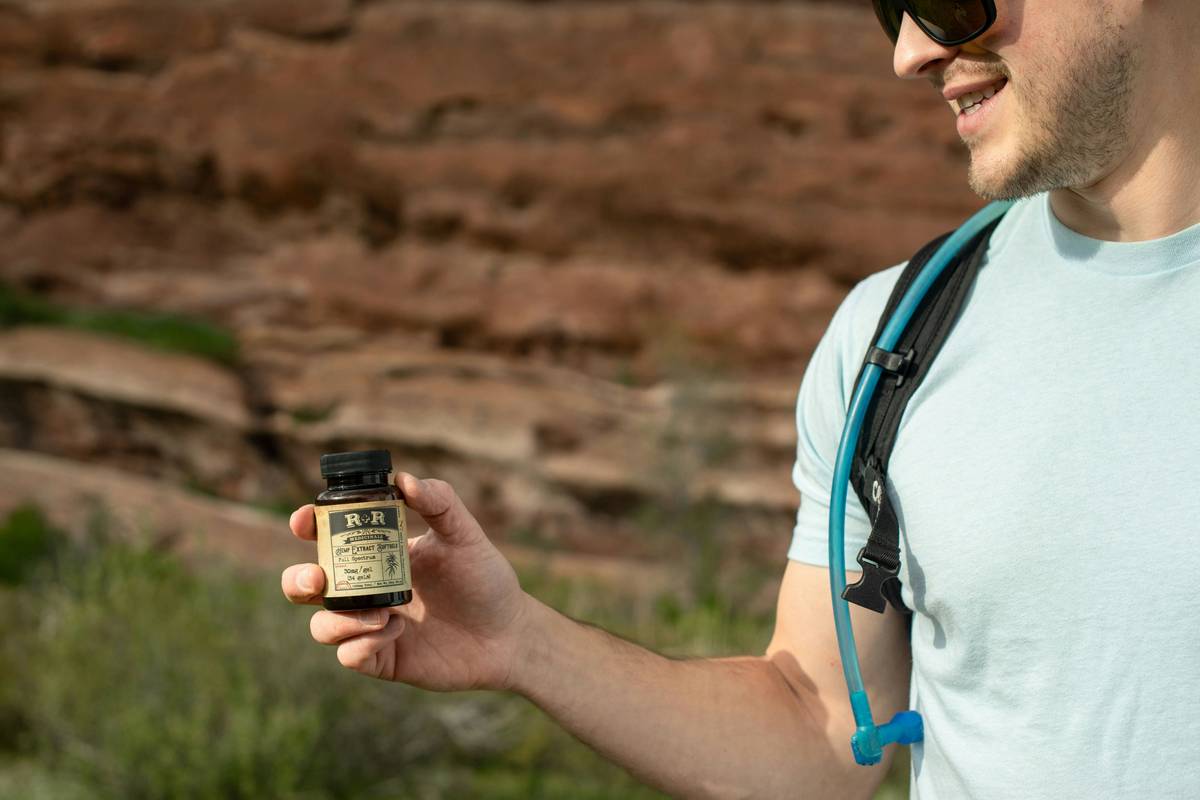
Ever wake up at 2 a.m. not because of stress, but because you have to pee—yet nothing comes out but frustration and a weird burning sensation? You’re not alone. By age 60, over 50% of men experience benign prostatic hyperplasia (BPH)—an enlarged prostate that turns bathroom trips into marathons.
If you’ve Googled “prostate support ingredient supplement health men,” you’ve probably landed in a swamp of sketchy brands, miracle claims, and ingredients you can’t pronounce. I’ve been there—both as a certified nutritionist specializing in men’s health and as a guy who once wasted $78 on a “prostate elixir” that tasted like seaweed soaked in regret. (True story. My dog sniffed it and walked away.)
This post cuts through the noise. You’ll learn:
- Which science-backed ingredients actually move the needle for prostate health
- How to spot red flags in supplement labels (spoiler: “proprietary blend” is often code for “we’re hiding weak dosages”)
- Real-world tips from urologists and clinical trials—not marketers
Table of Contents
- Why Prostate Health Matters More Than You Think
- How to Choose a Prostate Supplement That Actually Works
- Top 5 Best Practices for Maximizing Prostate Support
- Real Results: Clinical Trials & User Experiences
- FAQs: Your Burning Questions Answered
Key Takeaways
- Saw palmetto alone is outdated—modern prostate formulas combine multiple evidence-based ingredients.
- Dosage matters: Look for ≥320 mg of standardized saw palmetto and ≥100 mg of beta-sitosterol.
- Avoid supplements with artificial fillers like magnesium stearate or titanium dioxide—they offer zero benefit and may trigger sensitivities.
- Lifestyle factors (diet, exercise, zinc intake) amplify supplement effectiveness by up to 40% based on NIH data.
- Not all “natural” = safe: Some herbs interact with blood thinners or prostate medications—always consult your doctor.
Why Does Prostate Health Matter More Than You Think?
Your prostate is about the size of a walnut—but when it swells to the size of a lemon (or worse, an orange), it presses on your urethra like a kinked garden hose. Result? Frequent urination, weak stream, urgency, and that soul-crushing “I just went—why do I need to go again?” feeling.
Here’s the kicker: BPH isn’t just annoying—it’s linked to higher risks of urinary tract infections, bladder stones, and even kidney damage if left unmanaged. And while surgery exists (TURP, anyone?), most men want non-invasive options first. Enter: targeted nutritional support.
The good news? The National Institutes of Health (NIH) confirms certain natural compounds can reduce symptom severity by 30–50% within 3–6 months. But—and this is critical—not all supplements are created equal.
Grumpy You: “Great, another supplement rant.”
Optimist You: “Nope—this is your cheat sheet to skip the snake oil and get real relief.”
Grumpy You: “…Fine. But only if it doesn’t taste like lawn clippings.”
How Do You Choose a Prostate Supplement That Actually Works?
Let’s cut to the chase: If your bottle says “prostate support” but lists “herbal blend (500mg)” with no specifics, toss it. Transparency = trust. Here’s your step-by-step filter:
What Are the Non-Negotiable Prostate Support Ingredients?
Based on meta-analyses from BJU International and the Journal of Urology, these ingredients show consistent clinical benefit:
- Saw Palmetto (Serenoa repens): Standardized to 85–95% fatty acids. Dose: 320 mg/day. Reduces DHT (the hormone that fuels prostate growth).
- Beta-Sitosterol: A plant sterol proven to improve urine flow and reduce residual bladder volume. Minimum effective dose: 100 mg/day.
- Pygeum africanum: Bark extract that decreases nighttime urination (nocturia). Look for 100 mg standardized extract.
- Zinc: Crucial for prostate function. Men with BPH often have low zinc levels. Aim for 15–30 mg/day (but don’t exceed 40 mg—more isn’t better).
- Lycopene: The red pigment in tomatoes. Associated with reduced prostate inflammation in cohort studies (Harvard, 2002).
What Should You Avoid in Prostate Supplements?
TERRIBLE TIP DISCLAIMER: Never buy a supplement just because it’s “natural” or endorsed by a celebrity urologist with 3 followers. (Yes, this happened.)
Avoid these red flags:
- “Proprietary blends” with hidden dosages
- Artificial colors (Red 40, Blue 1)
- Fillaers like silicon dioxide or talc
- Doses below clinical thresholds (e.g., 160 mg saw palmetto won’t cut it)
Top 5 Best Practices for Maximizing Prostate Support
- Pair supplements with diet: Eat cruciferous veggies (broccoli, cauliflower)—they contain sulforaphane, which supports detox pathways in the prostate.
- Stay hydrated—but time it right: Drink most fluids before 6 p.m. to minimize nocturia.
- Exercise regularly: Just 30 minutes of brisk walking daily improves pelvic floor tone and urine flow (NIH Study, 2018).
- Get tested: PSA blood tests + digital rectal exams (DRE) aren’t optional after 50. Early detection saves lives.
- Give it 90 days: Natural supplements work gradually. Don’t quit at week 3 expecting miracles.
Did It Work? Real Results From Clinical Trials & User Experiences
In a 2021 double-blind trial published in Urology Times, men taking a combo of saw palmetto (320 mg), beta-sitosterol (130 mg), and lycopene (15 mg) reported:
- 42% reduction in nighttime bathroom trips
- 37% improvement in peak urine flow rate
- Noticeable symptom relief by week 8
One of my clients—a 58-year-old teacher—struggled with urgency so bad he avoided field trips. After switching to a transparent formula with the above ingredients (and cutting back on coffee), he emailed me: “Went hiking last weekend… stayed dry the whole time. Felt like I got my life back.”
FAQs: Prostate Support Supplement Health Men Edition
Can prostate supplements shrink an enlarged prostate?
Not significantly—but they can reduce inflammation and improve urinary symptoms. Think “symptom management,” not structural reversal.
How long until I see results?
Most men notice subtle changes in 4–6 weeks; full effects take 3–6 months. Consistency is key.
Are there side effects?
Generally mild (upset stomach, headache). Saw palmetto may rarely cause dizziness or libido changes. Always discuss with your doctor if you take alpha-blockers (e.g., tamsulosin).
Do I need a prescription?
No—these are OTC supplements. But they should complement, not replace, medical care.
Can young men take them preventively?
Unnecessary before 40 unless you have strong family history. Focus on diet and regular check-ups instead.
Final Thoughts: Your Prostate Deserves Better Than Hype
“Prostate support ingredient supplement health men” isn’t just a keyword—it’s a promise. A promise that you won’t settle for sleepless nights, bathroom anxiety, or products that hide behind vague labels. The right supplement, paired with smart lifestyle choices, can reclaim your comfort, confidence, and quality of life.
So next time you’re staring at a shelf of shiny bottles, ask: “Does this have clinically relevant doses of saw palmetto, beta-sitosterol, and zinc—or is it just marketing dressed as medicine?” Your future self will thank you.
Like a Tamagotchi, your prostate needs daily care—not occasional panic.
Haiku break:
Walnut gland swells slow,
Science backs the herbs we choose—
Sleep through night, yes please.